
The South African government plans to invest R28 billion to fix the ongoing power and rail problems. This large amount of money will target two important sectors that have struggled with poor performance and constant breakdowns. The country has been dealing with electricity shortages & train service failures for years. Officials believe this funding is a vital move toward improving the infrastructure. Many people are watching closely to see if this investment will actually solve the problems and make these essential services reliable again.
Impact of the R28 Billion Investment on South Africa’s Power Sector
The power sector in South Africa has faced serious problems that have sparked widespread discussion. Load shedding & old infrastructure have created ongoing challenges for the country. The R28 billion investment will target several important areas to fix these issues. The money will go toward replacing outdated equipment and improving how power stations are maintained. The investment will also support renewable energy projects. The government believes these changes will create a more stable power supply for South Africa. Better infrastructure should reduce the frequency of power cuts. The focus on renewable energy will help the country move toward cleaner power sources. This investment represents a significant step toward solving the energy crisis that has affected homes & businesses across the nation.

– Modernization of power plants
– Investment in renewable energy

– Improved maintenance practices
– Reduction in load shedding incidents
– Enhanced energy efficiency
– Support for local energy projects
– Better grid management
Revitalization of the Rail Infrastructure
South Africa’s Rail Network Investment The government’s financial support will bring major improvements to South Africa’s rail network. The funding aims to fix infrastructure problems and upgrade existing rail lines while making the system safer for everyone who uses it. This investment matters greatly for businesses that depend on trains to move their products & materials from one place to another. Many companies struggle with the current state of the railways because delays and breakdowns affect their ability to deliver goods on time. The improvements will also help regular commuters who travel by train every day. These passengers currently deal with constant delays & service interruptions that make their daily journeys difficult and unpredictable. Better infrastructure and safety measures should make their trips more reliable and comfortable.
 SASSA Shifts Payout Dates for R350, Pension, and Disability Grants in January & February 2026!
| Sector | Key Challenge | Recommended Action | Projected Result |
|---|---|---|---|
| Power | Frequent Load Shedding | Expand renewable energy investments | Consistent and stable electricity supply |
| Power | Outdated Infrastructure | Comprehensive system modernization | Higher network reliability |
| Rail | Service Delays | Upgrade rail infrastructure and signaling | Faster and more efficient transport |
| Rail | Safety Risks | Implement advanced safety measures | Significant reduction in accidents |
| Power | Maintenance Gaps | Strengthen maintenance protocols | Extended equipment lifespan |
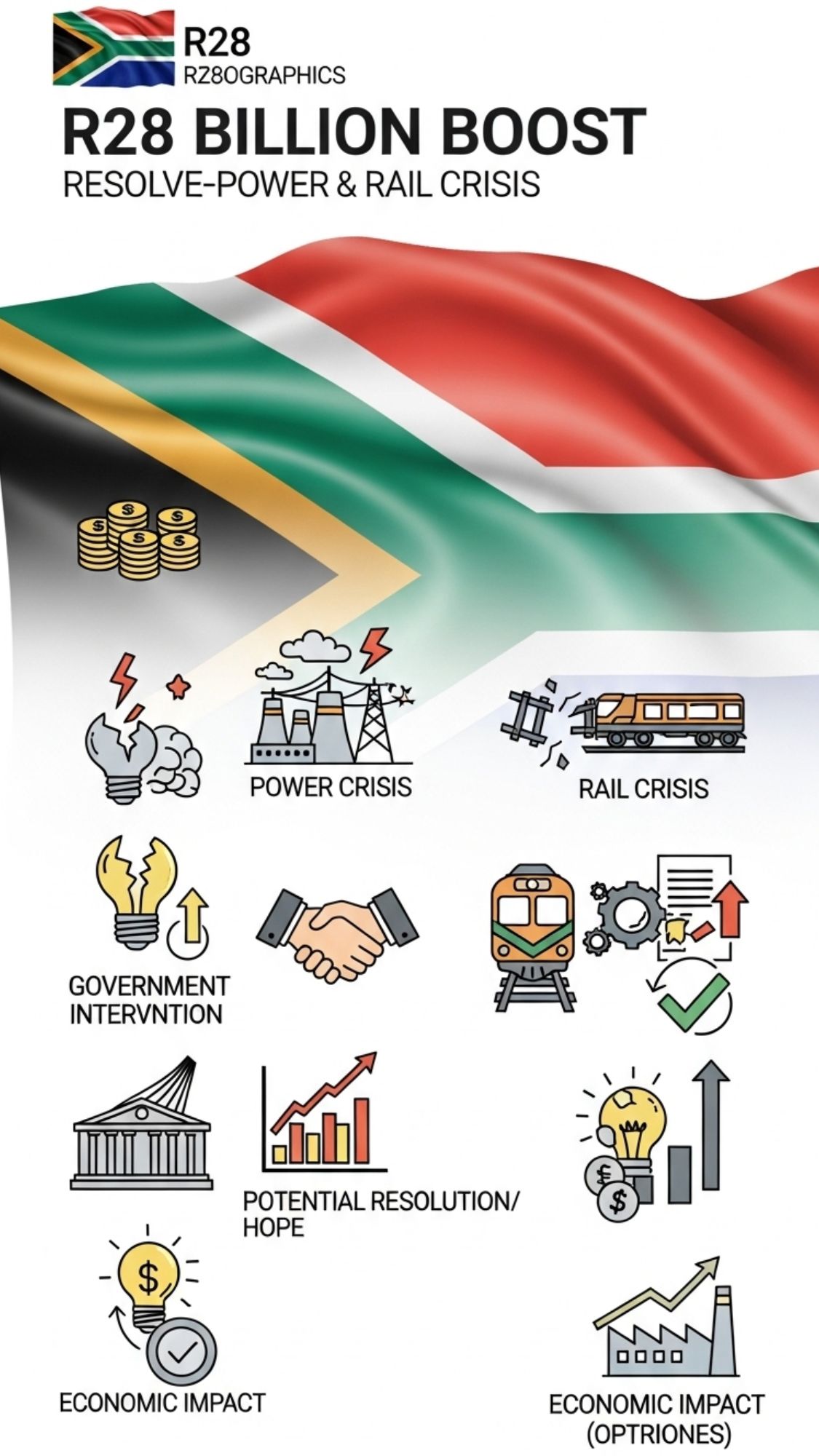
Challenges Facing the Implementation of the R28 Billion Plan
The R28 billion commitment represents meaningful progress but putting these funds to work effectively presents numerous obstacles. Upgrading infrastructure is inherently complex and requires careful planning. Managing what the public expects from this investment adds another layer of difficulty. Ensuring that resources are distributed fairly & openly remains a key concern for all parties involved. The success of this program depends heavily on how well different groups work together. Government agencies must coordinate their efforts efficiently. Private sector participation is essential for bringing expertise and resources to the table. Local communities need to be involved in decision-making processes that affect their areas directly. Several factors will determine whether this initiative achieves its goals. Resources must be allocated in a transparent manner so citizens can see where money is being spent. Different stakeholders need to communicate regularly and share information effectively. Bureaucratic obstacles that slow down progress must be identified & removed. Regular monitoring and evaluation systems should track whether projects are meeting their targets. Public engagement strategies must keep communities informed and allow them to provide feedback throughout the implementation process.
Potential Benefits for South African Industries and Economy
The R28 billion investment could bring major benefits to South African industries & the broader economy if it works as planned. Better power and rail services would help businesses work more efficiently and spend less on operations while making the country more appealing to foreign investors. A dependable electricity supply and a transport system that works well would also help small and medium businesses grow and create more jobs. This investment would lead to higher industrial productivity and lower costs for companies. It would make South Africa a more attractive destination for international investment and support the expansion of smaller enterprises throughout the country.

Long-Term Vision for South Africa’s Infrastructure Development
The R28 billion initiative focuses on more than just quick repairs. It aims to establish a foundation for long-term infrastructure development. The government wants to build a durable & sustainable infrastructure system. This system would drive economic progress & enhance living standards for citizens. It would also help South Africa compete more effectively in the international arena. The plan includes several key objectives.
– It prioritizes sustainable infrastructure development that can withstand future challenges.
– The initiative supports economic growth by improving essential services and facilities.
– Better infrastructure directly contributes to improved quality of life for all South Africans.
– The project enhances global competitiveness by modernizing critical systems.
– It also includes measures for future-proofing against potential crises and disruptions.