
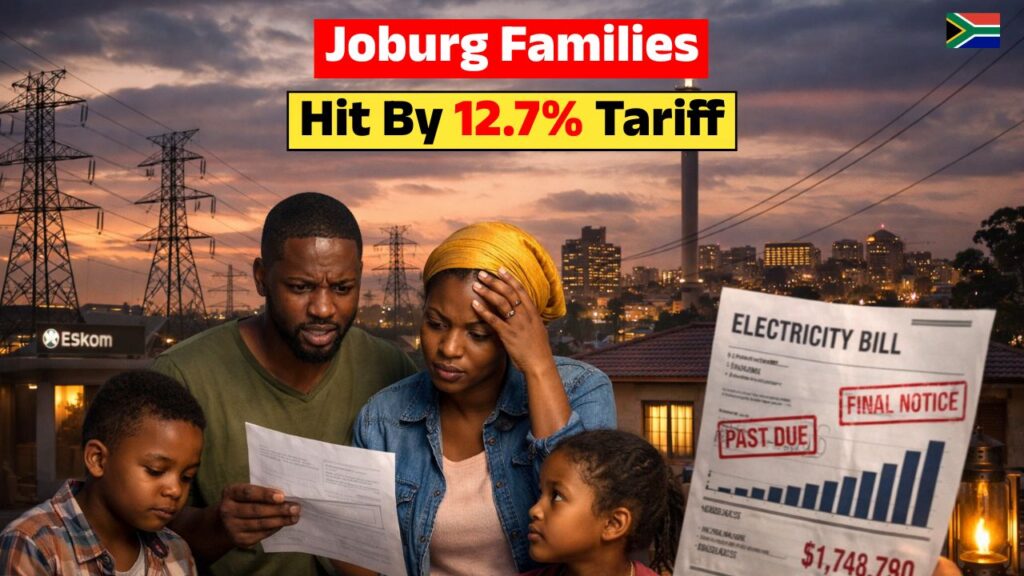
Electricity Tariff Hike in Johannesburg Starting from 10 January families in Johannesburg will face a significant 12.7% increase in their electricity bills. This price rise comes at a difficult time as many households already struggle with higher living expenses across the board. The city has implemented this tariff adjustment as part of its ongoing strategy to handle growing electricity demand and cover the costs of maintaining the power grid infrastructure. Local residents need to start planning for this change now because it will have a noticeable effect on their monthly household expenses. Learning how to reduce electricity costs & change usage habits will become essential for families in the months ahead. The adjustment represents a considerable financial burden that requires careful budget planning and practical steps to manage consumption more efficiently.
Understanding the 12.7% Electricity Tariff Increase
Johannesburg residents are worried about their electricity bills after officials announced a 12.7% tariff increase. The higher rates will impact everyone who uses electricity in the city including homes and businesses & factories. City officials say the increase is necessary to match national energy requirements & fund improvements to the electrical infrastructure. Families will see their monthly bills go up which means they need to think more carefully about how much electricity they use and find ways to save energy. Officials also believe the price increase will help make the city’s power supply more reliable while the national electrical grid continues to face problems. You should check how much electricity you currently use each month. Think about buying appliances that use less energy. Look into options like solar panels that can generate your own power. Keep yourself updated on any future changes to electricity prices.


How Johannesburg Families Can Adapt to the New Tariffs
Adapting to New Electricity Rates in Johannesburg Adjusting to higher electricity prices means families need to plan ahead and change some daily habits. The recent price increase gives households in Johannesburg a chance to look at how they use energy and find ways to improve. Making small changes can add up to real savings over time. Turning off lights and unplugging devices when nobody is using them helps reduce waste. These simple actions don’t require much effort but can make a noticeable difference on monthly bills. Smart meters offer another practical solution for managing electricity costs. These devices show exactly how much power a household uses at any given moment. Families can check their consumption throughout the day & spot when they use the most electricity.
| Household Appliance | Typical Power Use (kWh) | Estimated Cost per Use (ZAR) | Efficiency Class | Estimated Energy Saving Potential (%) |
|---|---|---|---|---|
| Refrigerator | 1.2 | 3.20 | A++ | 15% |
| Washing Machine | 0.9 | 2.40 | A+ | 10% |
| Television | 0.5 | 1.30 | B | 5% |
| Electric Oven | 2.0 | 5.40 | A | 20% |
| Geyser (Water Heater) | 4.5 | 12.10 | C | 25% |
Impact of the Tariff Hike on Johannesburg’s Economy
The electricity tariff increase in Johannesburg affects more than just household bills. It impacts the entire local economy in several ways. Companies that use large amounts of energy will face higher operating expenses. This means they might need to raise their prices or accept lower profits. Some businesses may need to rethink their financial plans and this could change the job market. However there are some positive aspects to consider. The push toward energy efficiency and sustainable practices might spark new ideas and encourage investment in green technology. This could create fresh opportunities for business growth and new jobs. Both companies and residents need to stay updated & adjust to these economic shifts. Here are some practical steps to consider:

– Assess how rising energy costs affect your business expenses.
– Think about replacing old equipment with energy-efficient models.

– Look into government programs that support energy conservation efforts.
– Keep an eye on market developments for possible investment chances.
Alternative Strategies for Managing Electricity Costs
Johannesburg residents can use several methods to handle rising electricity costs. Installing solar panels offers a practical way to save money over time. When families produce their own power they rely less on the grid and protect themselves from future price increases. Joining community energy-sharing programs can also help through shared benefits. Government rebates and incentives make it easier to afford energy-efficient systems when switching to cleaner energy options.
| Renewable / Energy Option | Upfront Investment (ZAR) | Estimated Yearly Savings (ZAR) | Cost Recovery Time (Years) | Environmental Footprint |
|---|---|---|---|---|
| Solar Power Systems | 50,000 | 8,000 | 6 | Low |
| Small-Scale Wind Energy | 70,000 | 10,000 | 7 | Very Low |
| Micro Hydro Solutions | 100,000 | 12,000 | 8 | Minimal |
| Biogas Energy Setup | 30,000 | 5,000 | 5 | Moderate |
| Energy-Saving Home Appliances | 20,000 | 3,000 | 4 | Low |
Preparing for Future Tariff Changes
Looking ahead it is important for Johannesburg residents to stay informed about possible future changes in electricity tariffs. By following local news updates and joining community forums residents can take charge of their financial and energy planning. Understanding the factors that influence tariff decisions such as infrastructure costs and energy demand will help with better preparation. Residents should also look into insurance options that cover unexpected increases in utility costs to provide a financial cushion during difficult times. Stay updated with local news & announcements. Participate in community discussions on energy issues. Consider financial planning for future tariff increases. Explore energy insurance options.