
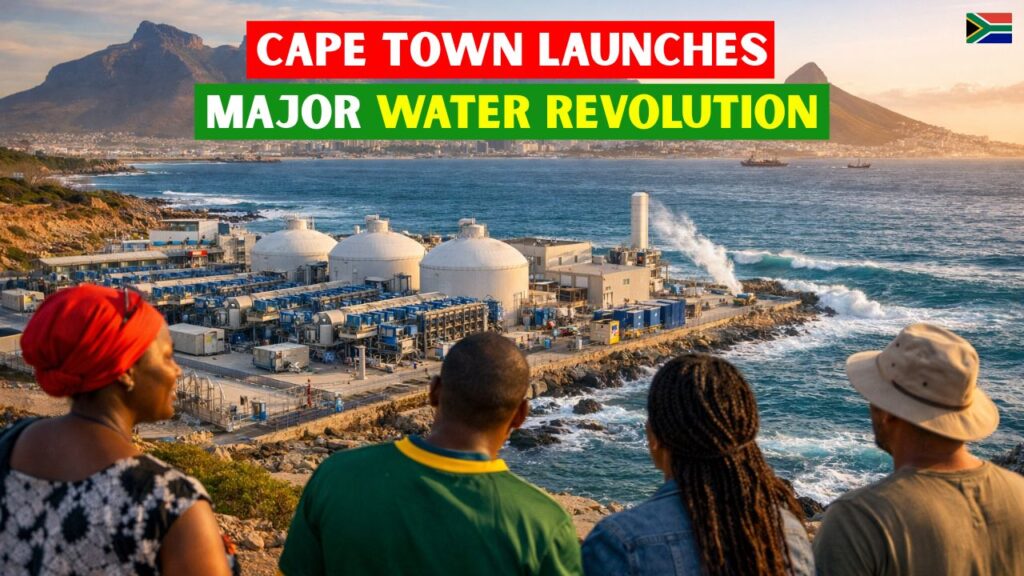
Cape Town faces ongoing problems with drought and limited water resources. The city has started a major new project to change how it supplies water to residents. City planners want to build three modern desalination plants by 2030. These facilities will help lower water costs & provide a reliable water source for everyone living there. This important project will do more than just make water available. It will also reduce how much households and businesses pay for water. As more people need water these desalination plants will play a central role in Cape Town’s plan to solve water shortage problems. The project supports both economic growth and environmental protection for the future.
The Impact of Desalination on Cape Town’s Water Supply
Over the past few years, the Western Cape has experienced recurring and severe droughts, placing enormous strain on existing water resources. Desalination has emerged as a practical and forward-looking solution by transforming seawater into safe drinking water. This approach provides a dependable alternative to rainfall-dependent sources and helps stabilize supply during dry periods. With desalination plants coming online, Cape Town’s overall water capacity is expected to increase significantly, reducing vulnerability to climate change and erratic weather patterns.

– Expanded water supply for households and industries
– Lower dependence on rain-fed dams and reservoirs

– Positioning Cape Town as a water sustainability leader
– Employment opportunities during construction and operations
– Stronger protection against future droughts
Economic Benefits of the Desalination Initiative
In addition to strengthening water security, desalination projects are expected to deliver meaningful economic advantages. Reliable water availability reduces losses linked to shortages, allowing businesses to maintain productivity and continuity. Households may also benefit from more predictable water services. Furthermore, the development and long-term management of desalination facilities will generate employment across multiple skill levels, supporting local income growth and stimulating the broader regional economy.
| Projected Year | Estimated Water Output (MLD) | Expected Cost Savings (%) |
|---|---|---|
| 2025 | 150 | 10% |
| 2027 | 250 | 15% |
| 2030 | 400 | 25% |
Environmental Considerations and Challenges
Despite its benefits, desalination presents environmental concerns that must be carefully managed. The process is energy-intensive, which could contribute to higher carbon emissions if powered by fossil fuels. To counter this, Cape Town is prioritizing cleaner energy sources and sustainable operating practices. Environmental safeguards are also being developed to protect marine ecosystems from potential impacts associated with brine discharge.
– Use of solar and wind power for plant operations
– Adoption of energy-efficient desalination systems
 South Africa's Bold R1B EV Investment: Paving the Way for a 100% Electric Vehicle Market by 2035
– Reducing brine effects on marine life
– Partnerships with environmental organizations
Community Engagement and Support
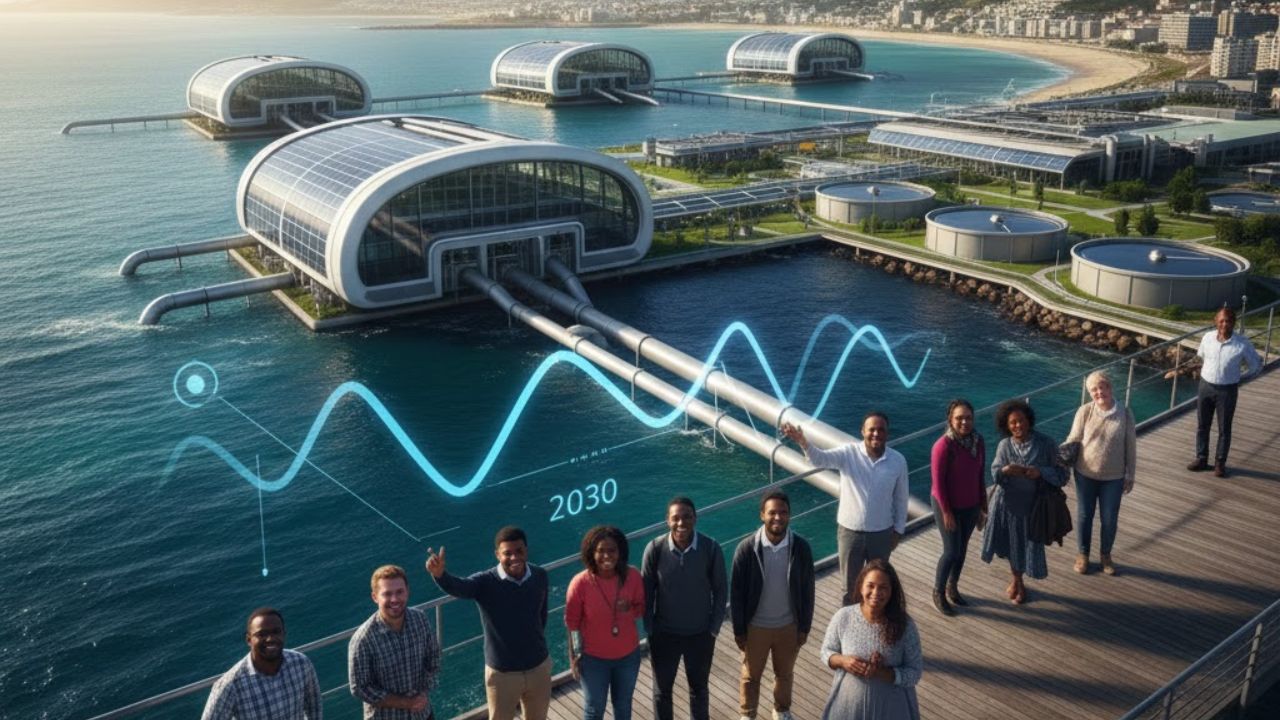
Public participation plays a vital role in the success of desalination initiatives. City authorities are working closely with communities to explain the purpose, benefits, and possible impacts of these projects. Through public consultations, workshops, and awareness campaigns, residents are encouraged to participate in decision-making processes, ensuring transparency and building trust around long-term water planning.
| Event Name | Scheduled Month | Venue | Objective |
|---|---|---|---|
| Community Consultation Workshop | January 2024 | City Hall | Share project overview and community benefits |
| Environmental Awareness Forum | March 2024 | Local Community Center | Engage stakeholders on environmental impact and safeguards |
| Employment & Recruitment Fair | May 2024 | Convention Center | Hire workforce for upcoming plant operations |
Technological Innovations in Desalination
Modern technology is central to making desalination more efficient and environmentally responsible. Cape Town’s facilities are set to integrate advanced systems that improve water output while lowering energy use. Techniques such as reverse osmosis, combined with intelligent monitoring tools, will help optimize performance and reduce waste. Ongoing research collaborations aim to further enhance desalination efficiency.
– High-performance filtration for better water quality
– Energy recovery systems to reduce power consumption
– Smart monitoring for real-time plant control
– Research partnerships with universities and institutes
| Sector | Allocated Investment (ZAR) | Projected Impact |
|---|---|---|
| Infrastructure & Construction | R3 Billion | Large-scale employment growth |
| Digital & Technology | R1.2 Billion | Advanced innovation development |
| Renewable Energy | R800 Million | Long-term environmental sustainability |
Infrastructure and Investment: Future Prospects for Cape Town’s Water Security
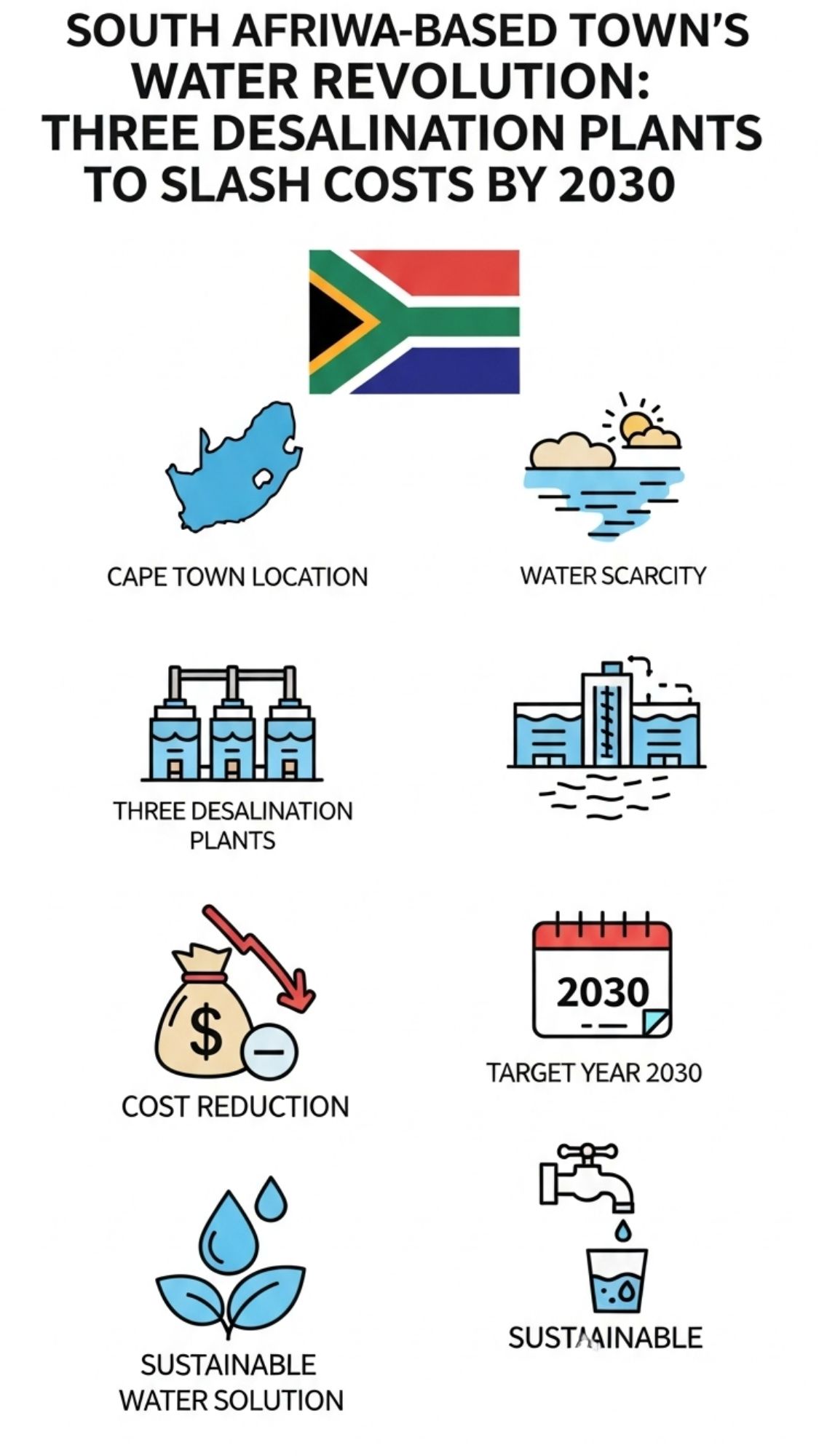
Looking ahead, desalination forms a key pillar of Cape Town’s long-term water security strategy. By 2030, the city plans to meet growing water demands while building resilience against climate uncertainty. Success in this area could serve as a model for other regions in South Africa, encouraging wider adoption of desalination technologies and strengthening national water sustainability efforts.
| Project Stage | Target Year | Key Outcome | Overview |
|---|---|---|---|
| Facility One Completion | 2025 | Higher Production Capacity | Expands overall supply to meet growing demand |
| Facility Two Commissioning | 2028 | Operational Cost Reduction | Introduces efficiency measures to lower expenses |
| Facility Three Full Operations | 2030 | Sustainability Improvement | Implements environmentally responsible processes |