
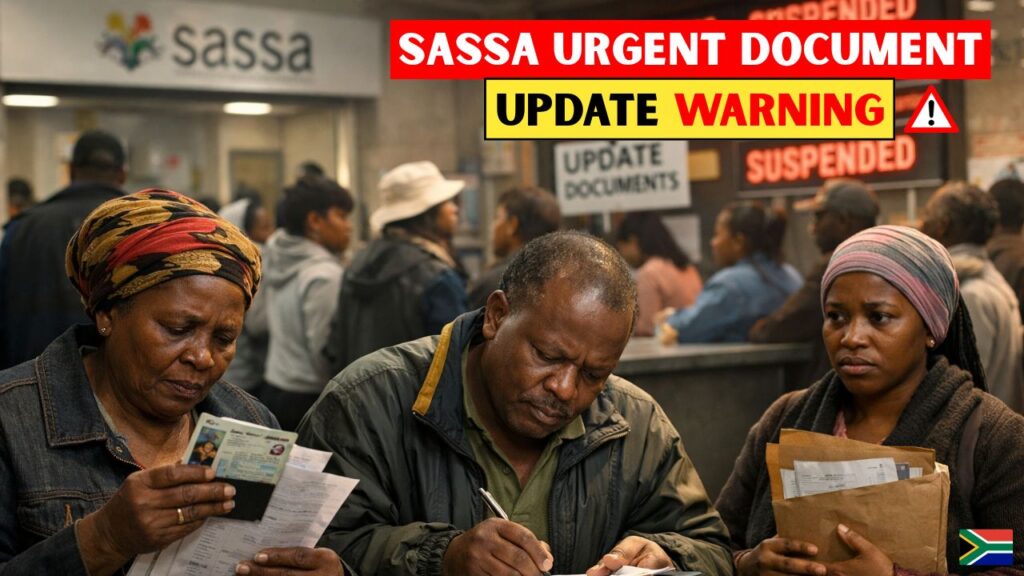
The South African Social Security Agency (SASSA) has reminded all beneficiaries to update their documents before the deadline on 7 January . This warning aims to prevent thousands of grants from being suspended across the country. SASSA has stressed that beneficiaries must keep their personal information & supporting documents up to date to continue receiving their benefits without interruption. Since the deadline is coming up quickly beneficiaries should take action now to avoid any problems with their grant payments.
Understanding SASSA’s Document Update Requirement
Keeping your personal documents current with SASSA is a necessary step to make sure you keep receiving your grants on time. The agency needs all your information to be accurate and current. This includes your identification papers and proof of income. This is particularly important if anything in your life has changed since you last updated your details. SASSA wants to keep its beneficiary records accurate and reliable so that grants can be distributed fairly to everyone who qualifies. You need to make sure your identification documents are still valid and have not expired. You should provide current proof of where you live to confirm your address. You must submit recent proof of income or provide a sworn statement if you are not working. You should report any new dependents or changes in your family situation. You need to check that your banking information is correct so payments can reach you without problems.

Consequences of Failing to Update SASSA Documents
Not updating your documents with SASSA can create major issues for grant recipients. Your grant payments will stop when your information is not current. This leads to financial hardship for vulnerable individuals and their families who depend on this support. SASSA may suspend your participation in the program until you submit the required documentation. The interruption in payments becomes especially difficult for people who rely on grants as their primary source of income. These payment delays can affect your ability to cover basic needs like food and housing. Many grant recipients struggle to manage their expenses during the period when their payments are on hold.
| Document Type | Validity Requirement | Consequence If Not Updated | Required Action |
|---|---|---|---|
| Identification Document | Must be valid and current | Risk of grant being suspended | Submit an updated valid ID |
| Proof of Residence | Latest residential address | Temporary grant suspension | Provide new address proof |
| Proof of Income | Recent income statements | Application review or suspension | Upload updated income proof |
Steps to Update Your SASSA Documentation
Keeping your SASSA documentation up to date requires some simple actions. Start by collecting all required papers such as your valid ID card, proof of where you live & proof of your income. Then go to the closest SASSA office or use their website to submit your documents. Make sure to check that all information is correct before submitting to avoid processing delays. You can also reach out to SASSA directly if you need help with updating your details.

Why Timely Updates Are Essential for SASSA Beneficiaries
| Purpose | Outcome |
|---|---|
| Preserve uninterrupted grant access | Prevents delays or stoppage of payments |
| Keep beneficiary records up to date | Confirms continued eligibility |
| Update changes in personal situation | Ensures correct benefit allocation |
The Role of Technology in Streamlining SASSA Updates
Technology has made it much easier to update documents with SASSA. The agency now uses digital tools to help beneficiaries access services more efficiently. People can submit their documents online and check their update status from home. This means fewer trips to SASSA offices and saves time for everyone involved.
Community Support and Resources for SASSA Beneficiaries
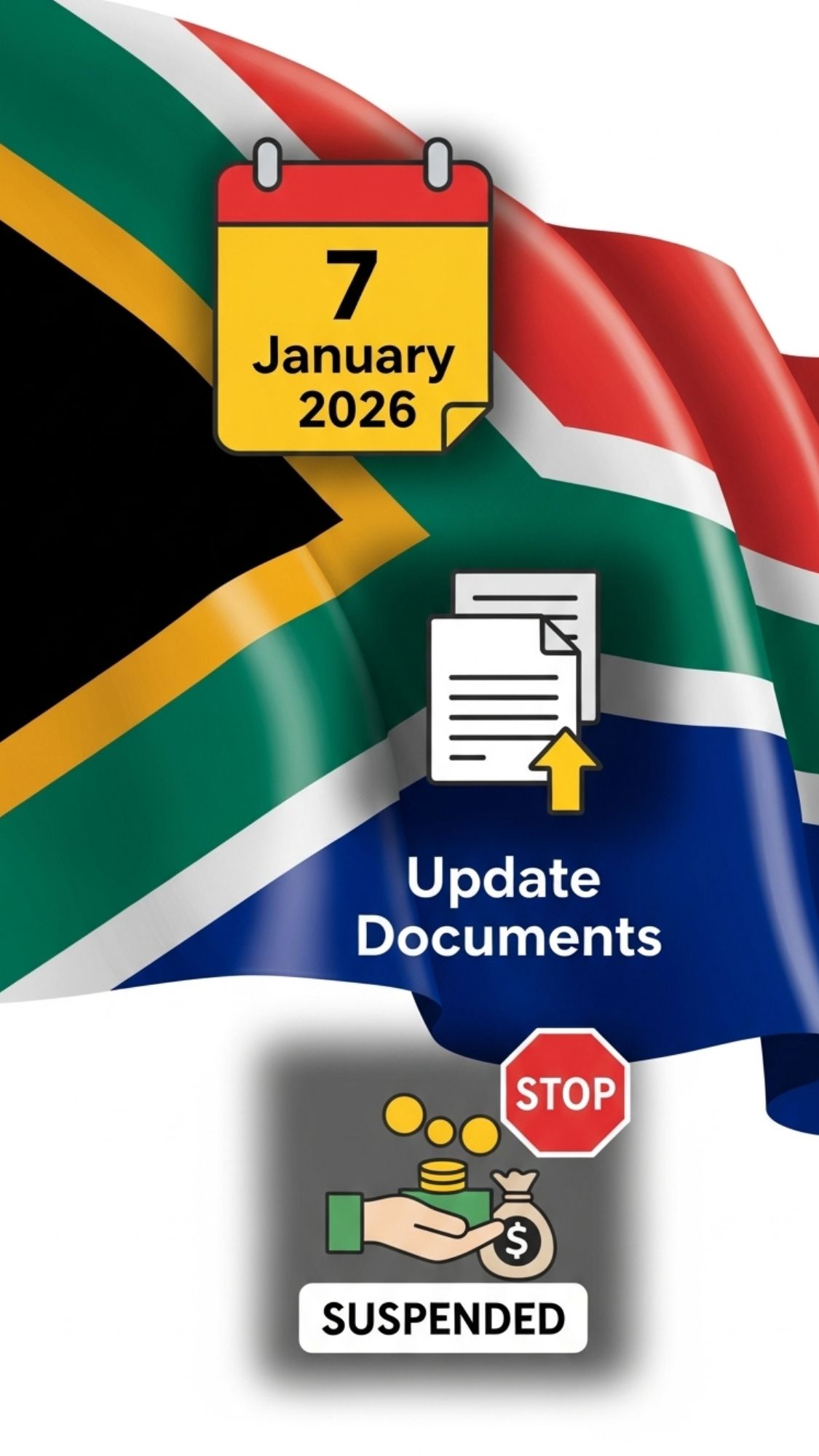
SASSA works with many community organizations that help beneficiaries update their documents. These groups assist people in collecting the papers they need and explain what is required. When beneficiaries visit local community centers they can get personal help to make sure they finish on time and keep receiving their grants.